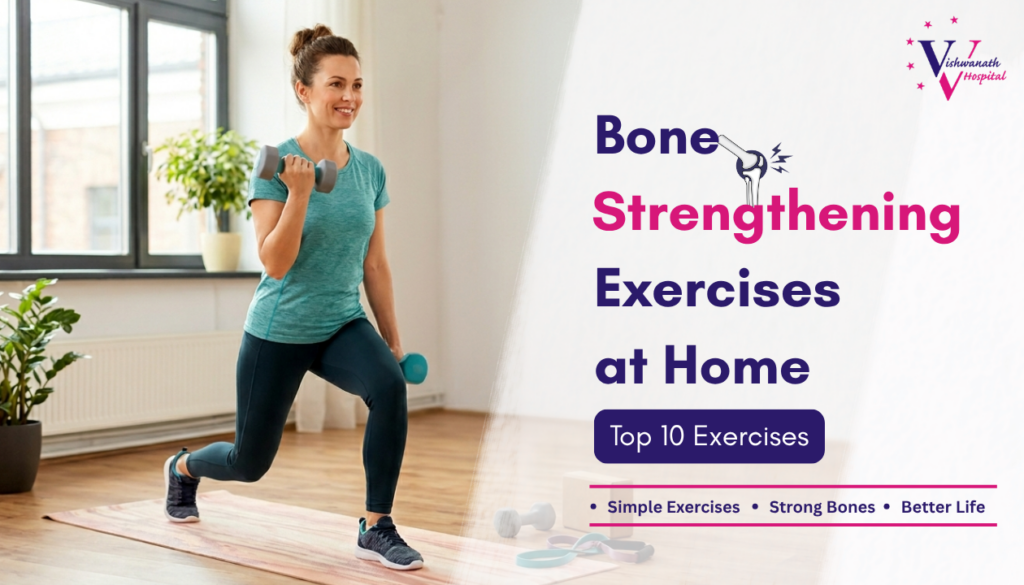
Bone strengthening exercises like walking, squats, lunges, stair climbing, heel raises, resistance band exercises, and yoga help improve bone density, strengthen muscles, enhance balance, and support long-term joint health naturally.
Strong bones are essential for maintaining mobility, balance and overall health throughout life. As we age, bone density naturally decreases, increasing the risk of fractures, osteoporosis and joint problems.
Regular physical activity is one of the most effective ways to improve bone strength and support healthy joints. The good news is that many bone strengthening exercises at home can be performed without expensive equipment or gym memberships.
At Vishwanath Hospital, one of the trusted hospitals in Pratap Nagar Jaipur, our orthopedic surgeons encourage regular exercise to maintain strong bones, improve muscle strength, and reduce the risk of future orthopedic complications.
Why Are Bone Strengthening Exercises Important?
Bone strengthening exercises can help stimulate bone growth, improve bone density, and improve overall musculoskeletal health.
These exercises put healthy pressure on your bones, encouraging them to grow stronger over time. Regular exercise also improves balance, coordination, flexibility and muscle strength, reducing the likelihood of falls and fractures.
At Vishwanath Hospital Pratap Nagar, orthopedic experts recommend combining physical activity with proper nutrition and healthy lifestyle habits for long term bone and joint health.
Top 10 Bone Strengthening Exercises at Home
1. Walking in Place

Walking in place is one of the easiest and safest exercises to improve bone health. This is a weight-bearing exercise that helps strengthen your legs, hips, and hip bones. Walking regularly improves blood circulation, maintains joint mobility, and improves overall health.
Even 20 – 30 minutes of walking daily can help maintain bone density and reduce the risk of osteoporosis. This exercise is suitable for people of all ages and can easily be performed at home without any special equipment.
2. Bodyweight Squats
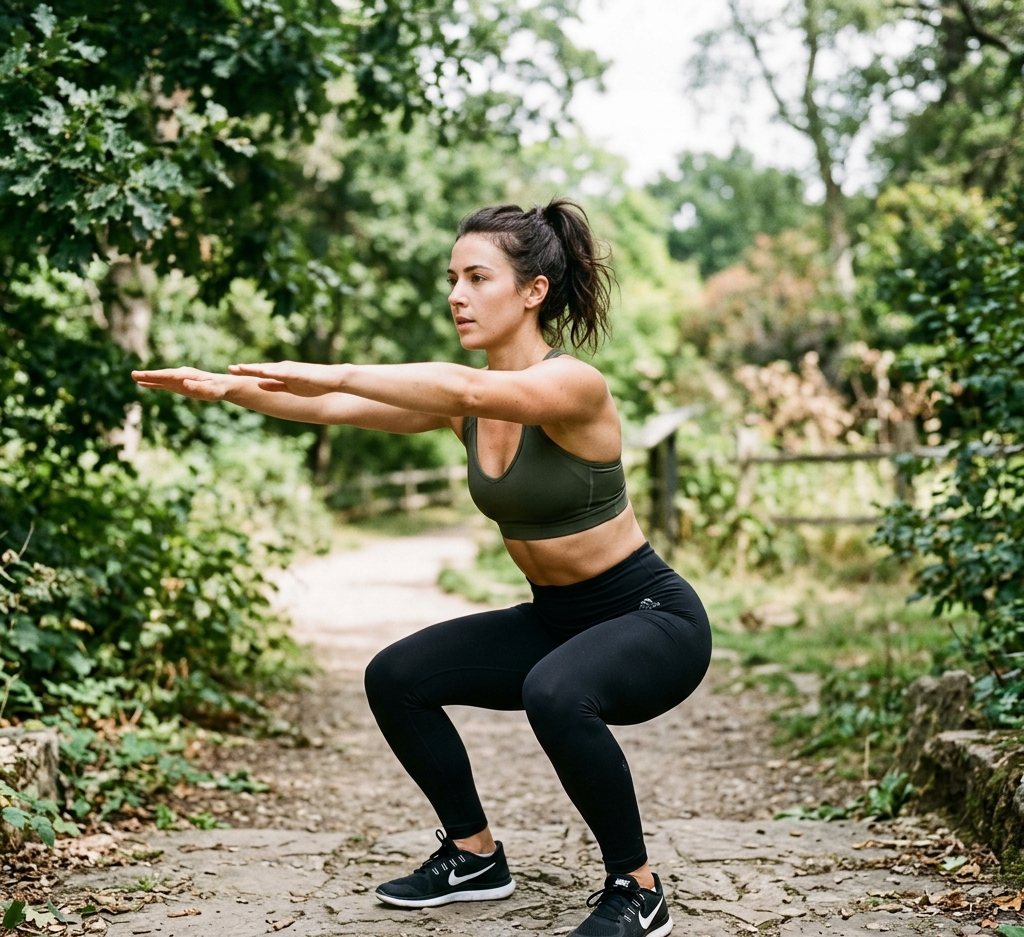
Bodyweight squats help strengthen the bones and muscles of the hips, thighs, knees, and lower body. This exercise improves balance, stability, and joint function while placing healthy stress on weight-bearing bones.
Regular squats can help maintain bone density and support daily activities such as climbing stairs and standing up from a chair. Beginners should start slowly and focus on proper posture to avoid strain on the knees and lower back.
3. Stair Climbing

Stair climbing is a great bone-strengthening exercise that targets your hips, legs, and lower body. Repetitive, weight-bearing movements strengthen bones and improve cardiovascular health.
It also strengthens the muscles that support your knees and ankles, reducing your risk of injury. Climbing the stairs for just a few minutes a day can go a long way toward improving bone health and overall physical endurance.
4. Lunges
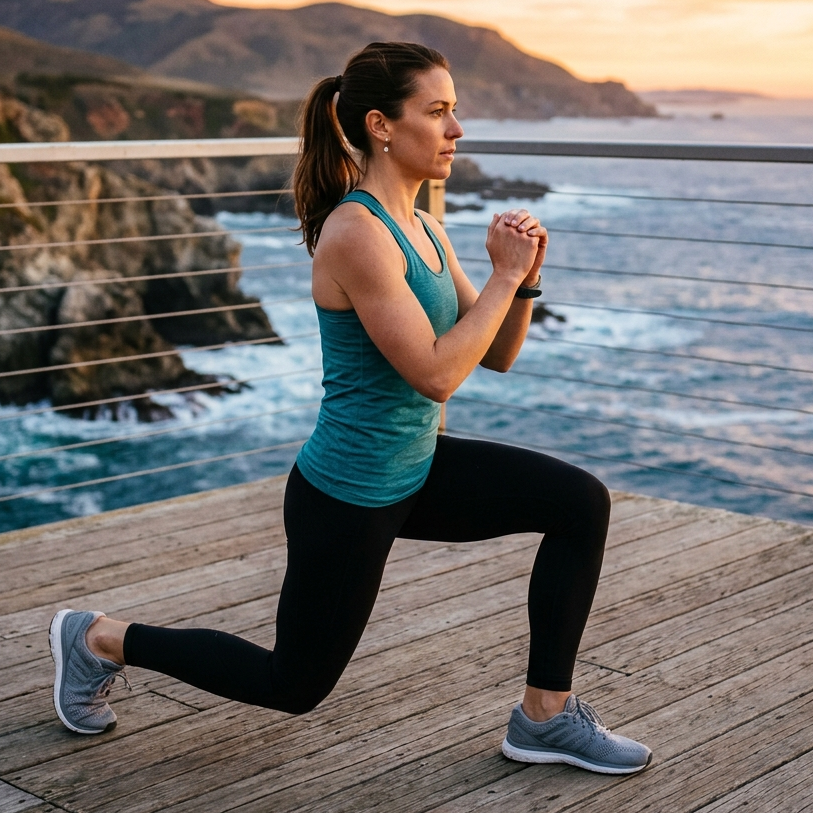
Lunges are highly effective for strengthening the bones and muscles of the lower body. They help improve balance, flexibility, and joint stability while supporting healthy bone density.
This exercise targets the hips, thighs, and calves, making it beneficial for overall mobility. Practicing lunges regularly can improve posture and reduce the risk of falls, especially in older adults concerned about bone health.
5. Heel Raises
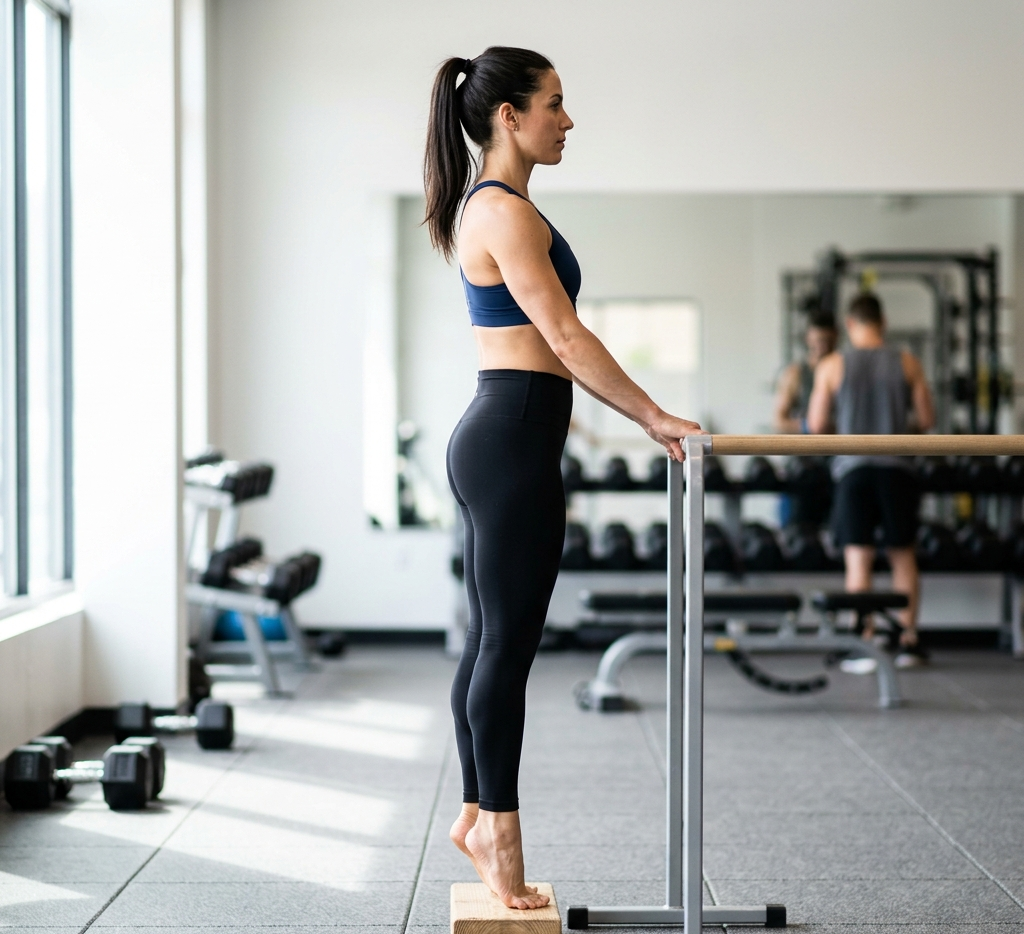
Heel raises help strengthen the bones and muscles in the feet, ankles, and lower legs. This simple exercise improves balance and stability while placing gentle stress on weight-bearing bones.
Regular heel raises can support healthy mobility and reduce the likelihood of falls. They are particularly useful for older adults looking to improve lower body strength and maintain independence in daily activities.
6. Wall Push-Ups

Wall push-ups are a safe, beginner-friendly exercise that helps strengthen the bones and muscles of your arms, shoulders, chest, and upper body. Weight-bearing exercises for the upper extremities can help improve bone density in these areas.
Wall push-ups are especially beneficial for people who find traditional push-ups difficult but want to improve upper body strength.
7. Standing Leg Raises

Standing leg raises help strengthen the hips, thighs, and supporting muscles around the lower body. Strong muscles provide better support to bones and joints, reducing stress on weight-bearing structures.
This exercise also improves balance and coordination, making it useful for maintaining mobility and preventing falls. It can be performed easily at home and requires no special equipment.
8. Resistance Band Exercises
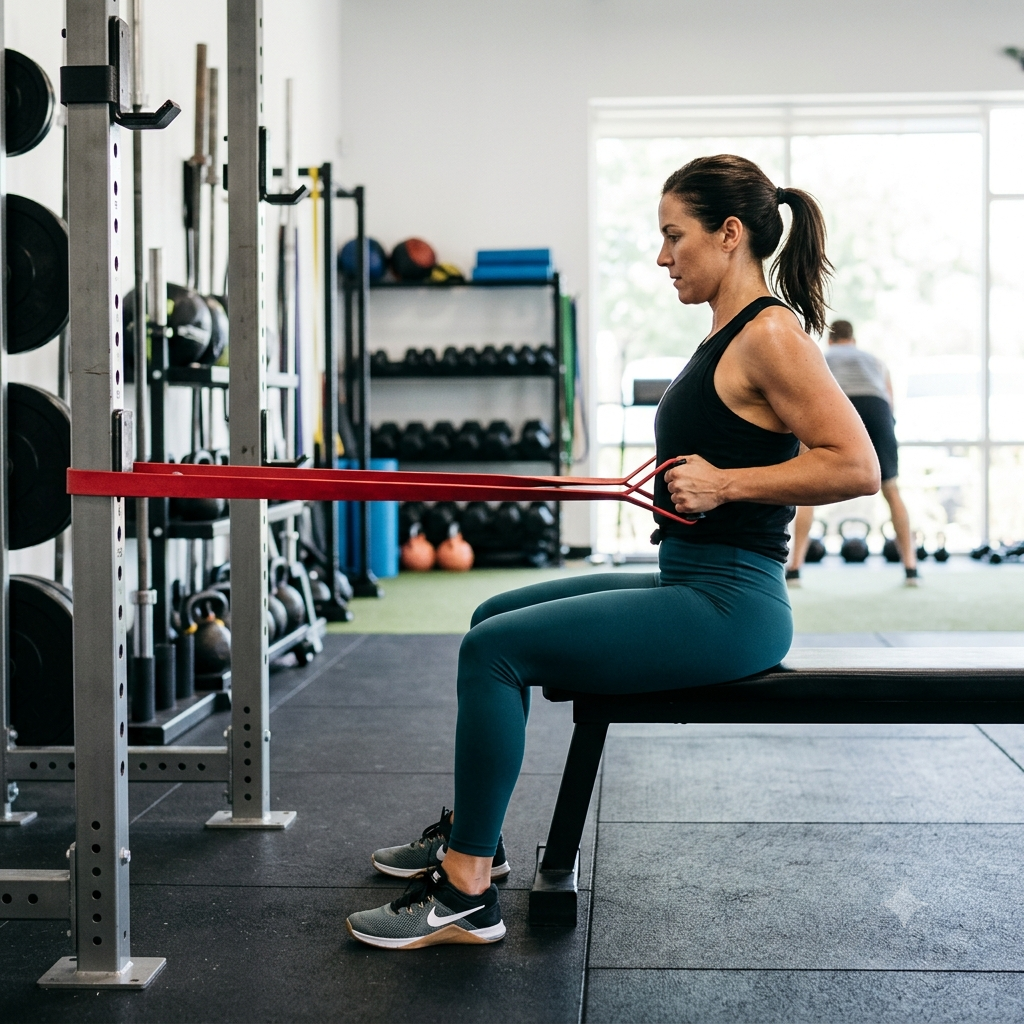
Resistance bands provide gentle resistance and help strengthen muscles and bones. Exercises with resistance bands can target multiple areas of your body, including your arms, shoulders, legs, and hips.
Regular resistance training stimulates bone formation and maintains healthy bone density. These exercises are suitable for people of different fitness levels and can be modified to suit individual needs.
9. Tadasana (Mountain Pose)

Tadasana is a simple yoga posture that promotes proper body alignment, balance, and posture. While it may appear easy, it engages multiple muscle groups and encourages better weight distribution through the bones and joints.
Regular practice improves stability, strengthens supporting muscles, and contributes to overall bone health. It is often recommended as part of a bone-friendly exercise routine.
10. Dancing

Dancing is a fun and effective way to strengthen your bones while improving your cardiovascular health and coordination. Different dance movements put healthy pressure on different bones and joints, promoting bone growth and strength.
Regular dancing can improve flexibility, balance, and endurance while helping maintain a healthy weight, which is important for long-term orthopedic health.
Tips to Improve Bone Health Along with Exercise
Exercise plays an important role in strengthening bones, but it must be combined with a healthy lifestyle for best results. Here are some important tips.
- Eat calcium-rich foods such as milk, curd, paneer, and leafy greens.
- Maintain adequate Vitamin D levels through sunlight exposure.
- Stay physically active every day.
- Avoid smoking and excessive alcohol consumption.
- Maintain a healthy body weight.
- Get regular bone health check-ups if you are above 40 years of age.
These habits work together to support stronger bones and reduce the risk of osteoporosis and fractures.
Conclusion
Regular bone strengthening exercises at home are one of the most effective ways to improve bone density, increase muscle strength, and maintain healthy joints as you age. Simple activities like walking, squats, stair climbing, lunges, resistance exercises, and yoga can help strengthen your bones, improve your balance, and reduce your risk of bone fractures and osteoporosis.
When combined with a calcium rich diet, adequate vitamin D, and a healthy lifestyle, these exercises promote long-term mobility and overall orthopedic health. If you have concerns about bone pain, joint stiffness, muscle weakness, or osteoporosis, consult the experts at Vishwanath Hospital, one of the trusted hospitals in Pratap Nagar Jaipur.
Our orthopedic specialists can assess your bone health and provide personalized guidance to help you stay active and pain-free. Book your appointment today and take the first step toward stronger bones, healthier joints, and a better quality of life.
FAQ’s
1. What are the best bone strengthening exercises at home?
Some of the best bone strengthening exercises at home include walking, squats, lunges, stair climbing, heel raises, resistance band exercises, and yoga. These activities help improve bone density, muscle strength, and overall joint health.
2. How often should I do bone strengthening exercises?
For optimal results, bone strengthening exercises should be performed at least 3–5 times per week. Consistency is important for maintaining bone density and reducing the risk of osteoporosis and fractures.
3. Can exercise help prevent osteoporosis?
Yes. Regular weight-bearing and resistance exercises can help improve bone strength, slow bone loss, and reduce the risk of osteoporosis, especially when combined with a healthy diet rich in calcium and Vitamin D.
4. Which exercises are best for strengthening bones after the age of 40?
Walking, stair climbing, squats, lunges, resistance training, and yoga are highly recommended for people over 40 as they help maintain bone density, improve balance, and support joint health.
5. Can bone strengthening exercises reduce joint pain?
Regular exercise helps strengthen the muscles around joints, improve flexibility, and enhance mobility, which may help reduce joint pain and stiffness caused by aging or inactivity.
6. Is walking enough to improve bone health?
Walking is an excellent weight-bearing exercise that supports bone health, but combining it with strength training and balance exercises provides greater benefits for bone density and muscle strength.
7. What foods should I eat along with bone strengthening exercises?
A diet rich in calcium, Vitamin D, protein, and magnesium is important. Foods such as milk, curd, paneer, leafy green vegetables, almonds, sesame seeds, and fatty fish support stronger bones.
8. Are bone strengthening exercises safe for seniors?
Yes. Most bone strengthening exercises can be modified for seniors. Low-impact activities such as walking, heel raises, chair squats, and gentle yoga can safely improve bone and muscle strength.
9. How long does it take to see results from bone strengthening exercises?
Most people notice improvements in strength, balance, and mobility within a few weeks. However, significant improvements in bone density may take several months of regular exercise and proper nutrition.
10. When should I consult an orthopedic specialist for bone health concerns?
You should consult an orthopedic specialist if you experience persistent bone pain, frequent fractures, muscle weakness, joint stiffness, loss of mobility, or have a family history of osteoporosis. Early evaluation can help prevent future complications.