
After 40, bone strength declines due to aging and nutrient deficiency. A balanced diet with calcium, vitamin D, and protein helps maintain strong bones and prevent future problems.
As we age, our bones gradually lose density and strength, and this process typically begins after the age of 40. Weak bones can lead to joint pain, fractures, and conditions like osteoporosis.
Especially in India, calcium and Vitamin D deficiencies are common, making it essential to maintain strong bones as a vital part of healthy aging.
The right diet plan can help protect your bones and preserve their strength for years to come.
At Vishwanath Hospital, Jaipur, our orthopedic specialists emphasize that nutrition is one of the most powerful tools to preserve bone health and prevent orthopedic issues in the future.

Why Bone Health Declines After 40:
After the age of 40, bones start losing minerals more quickly than the body can replace them, leading to faster bone loss.
Things like not eating well, not getting enough exercise, low vitamin D levels, changes in hormones, and bad lifestyle choices can make this problem worse. Eating foods that are full of nutrients is important to keep bones strong and flexible.
Key Nutrients for Strong Bones:
If you want to keep your bones healthy after 40, your diet must include key nutrients that support bone strength and function.
Calcium helps build and maintain bone density, while Vitamin D enhances calcium absorption in the body.
Magnesium plays an important role in supporting bone structure, and protein is essential for repairing bone and muscle tissues.
Additionally, Omega-3 fatty acids help reduce joint inflammation, and Vitamins K and C contribute to bone metabolism and collagen formation.
Including these nutrients in your daily diet can significantly improve bone health and prevent conditions like osteoporosis.
Top Bone-Boosting Foods After 40:
Milk and Dairy Products:
Milk and dairy products are among the most effective and easily accessible sources of calcium and protein, essential for strong and healthy bones especially after 40.
Regular consumption of milk, curd, and paneer helps build bone density, strengthen joints, and support overall bone health.
These foods also contain Vitamin D and phosphorus, which improve calcium absorption and reduce the risk of conditions like osteoporosis.
Leafy Green Vegetables:
Leafy green vegetables like spinach, methi, and kale are rich in calcium, magnesium, and Vitamin K, which help maintain bone strength, support muscle function, and prevent osteoporosis after 40.
Adding them to daily meals like soups or curries promotes long-term orthopedic health.
Ragi (Finger Millet):
Ragi (Finger Millet) is a calcium-rich Indian superfood that helps strengthen bones, especially after 40. It’s perfect for daily meals and can be enjoyed as rotis, porridge, or dosas.
Including ragi regularly supports bone health and helps prevent conditions like osteoporosis.
Almonds and Sesame Seeds:
Almonds and sesame seeds are excellent additions to your diet after 40 to support bone strength.
They are rich in magnesium, which plays a key role in maintaining bone density, and contain healthy fats that help reduce inflammation in the joints. Easily added to snacks, salads, or breakfast bowls, these nutrient-packed foods provide daily bone support in a natural and delicious way.
Pulses & Lentils:
Pulses and lentils like chana, dal, and rajma are excellent sources of plant-based protein, which is essential for bone repair and muscle strength, especially after the age of 40.
Including them regularly in your meals not only supports overall health but also helps maintain strong bones and joints naturally. They’re easy to cook, versatile, and packed with nutrients that promote long-term bone health.
Foods and Habits to Avoid:
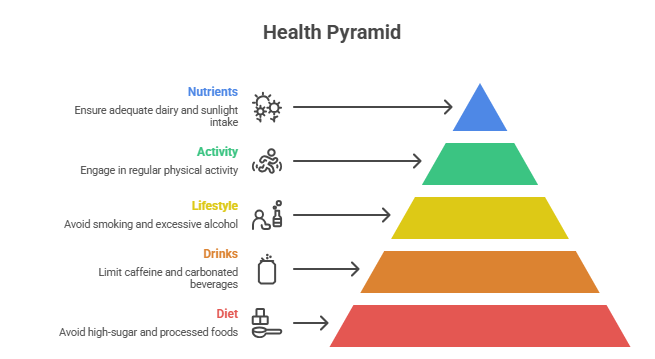
- High-sugar and processed foods
- Excessive caffeine or carbonated drinks
- Smoking and alcohol
- Lack of physical activity
- Skipping dairy or sunlight
Expert Tip from Vishwanath Hospital
Your bone health after 40 directly impacts how active and independent you stay in later years. Don’t wait for pain, start prevention today.
Dr. Vishwanath Mathur, Senior Orthopedic & Joint Replacement Surgeon
Why Choose Vishwanath Hospital for Bone Health?
- 30+ years of orthopedic excellence in Jaipur
- Experienced team of joint replacement and bone specialists
- Personalized treatment + post-diet guidance
- On-site diagnostics and physiotherapy support
Book Your Bone Health Check-up Today
If you’re over 40 and experiencing stiffness, pain, or weakness, it’s time to take action. Our orthopedic team can assess your bone density and recommend a custom diet and treatment plan.
FAQ’S
1. Why is bone health important after 40?
After 40, bones start losing density, increasing the risk of fractures and joint problems. Maintaining bone health helps you stay active and independent.
2. Which nutrients are essential for strong bones?
Calcium, Vitamin D, magnesium, protein, and omega-3 fatty acids are essential to maintain bone strength and prevent bone-related diseases.
3. What are the best foods for bone health after 40?
Milk, curd, paneer, leafy greens, ragi, almonds, sesame seeds, and pulses are excellent foods that support bone strength.
4. Can diet alone improve bone health?
Diet plays a major role, but regular exercise, sunlight exposure, and a healthy lifestyle are also important for strong bones.
5. Is Vitamin D important for bones?
Yes, Vitamin D helps the body absorb calcium effectively, which is necessary for maintaining bone density and strength.
6. Which Indian foods are rich in calcium?
Ragi, milk, curd, paneer, green vegetables, and sesame seeds are rich in calcium and beneficial for bone health.
7. What foods should be avoided for healthy bones?
Avoid excessive sugar, processed foods, caffeine, carbonated drinks, alcohol, and smoking as they weaken bones over time.
8. How does exercise help bone health?
Regular physical activity strengthens bones and muscles, improves balance, and reduces the risk of fractures.
9. When should I check my bone density?
It is advisable to get a bone density test every 2–3 years after 40, especially if you have risk factors.
10. When should I consult a doctor for bone health?
If you experience joint pain, weakness, or stiffness, consult an orthopedic specialist for proper evaluation and treatment.